Introduction to Rajat Bhasma
What is Rajat Bhasma?
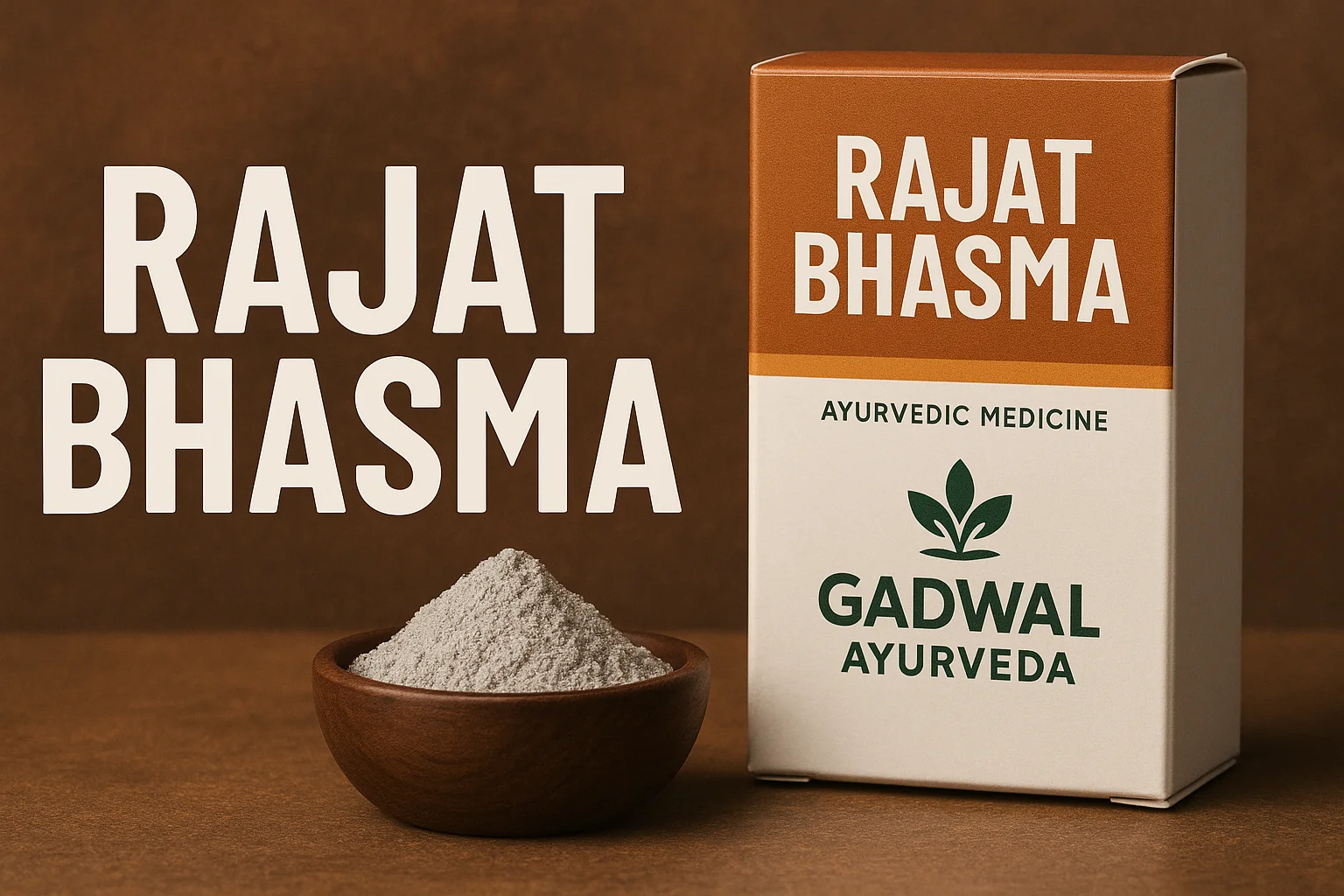
Rajat Bhasma, also known as Silver Ash in English, is one of Ayurveda’s most revered herbo-mineral formulations. It is derived from Rajat (Silver), a metal celebrated not only for its ornamental beauty but also for its remarkable medicinal attributes. In Ayurveda, Rajat Bhasma is prepared through a detailed purification and incineration process that transforms pure silver into an extremely fine, bioavailable powder. This transformation makes it easily absorbable by the human body, ensuring its therapeutic benefits without causing metallic toxicity.
Traditionally, Rajat Bhasma is described in ancient Ayurvedic texts like Ras Ratna Samuchchaya, Ras Tarangini, and Bhaishajya Ratnavali. It has been used for centuries to treat disorders related to the brain, nerves, heart, and reproductive organs. Silver is known for its cooling (Sheetala) and calming (Manas Shamak) effects, making Rajat Bhasma a natural remedy for conditions like anxiety, insomnia, epilepsy, and chronic fever.
In the modern era, with the advancement of nanotechnology, scientists have started to recognize that Rajat Bhasma exhibits properties similar to silver nanoparticles — confirming what ancient sages knew intuitively about its powerful antimicrobial, neuroprotective, and immune-boosting qualities.
The Historical and Ayurvedic Significance of Silver in Medicine
Silver has a rich history in Ayurveda and traditional medicine systems across the world. In India, it was often used in food and beverages for its purity and preservation qualities. The kings and nobility would drink water from silver vessels to maintain vitality and prevent infections. Ayurvedic physicians (Vaidyas) used silver leaf or powder to treat mental disorders, weakness, and infections long before antibiotics were discovered.
Silver, in Ayurveda, is classified as a Rasayana — a rejuvenative substance that enhances longevity, immunity, and overall health. Its cooling and stabilizing energy helps pacify aggravated Pitta and Vata doshas. Historically, it was used in combination with herbs like Brahmi, Ashwagandha, and Shankhpushpi to improve memory, concentration, and calmness of the mind.
Rajat Bhasma was also used in Rasayana Chikitsa (rejuvenation therapy), one of the eight branches of classical Ayurveda, where the goal is not just to cure diseases but to enhance vitality and slow the aging process. In essence, silver was seen as both a protector and enhancer of mental and physical health — a tradition that continues today in Ayurvedic practice.
Composition and Preparation Process of Rajat Bhasma
Ingredients Used in Rajat Bhasma
The primary ingredient in Rajat Bhasma is pure Rajat (silver). However, Ayurveda never uses metals in their raw form. The purification (Shodhana) process involves using herbal decoctions and natural acids to remove impurities and make the metal safe for human consumption. Commonly used ingredients for purification include:
-
Lemon juice (Nimbu Swarasa): For initial cleansing.
-
Cow’s urine (Gomutra): Known for its detoxifying properties.
-
Triphala decoction: Used for deep purification.
-
Aloe vera juice or castor oil: Used during the incineration process to facilitate uniform heating.
Once purified, the silver undergoes a series of incinerations (Marana) to convert it into fine ash. This ash is then triturated with herbal juices and again subjected to controlled heating, ensuring the end product is soft, odorless, tasteless, and smooth to touch — a hallmark of authentic Rajat Bhasma.
The Traditional Ayurvedic Method of Preparation (Shodhana & Marana)
The preparation of Rajat Bhasma is a sacred and intricate process. It typically involves multiple steps:
-
Shodhana (Purification):
Silver pieces are heated until red-hot and then quenched in herbal liquids several times. This eliminates metallic impurities and increases the metal’s therapeutic potency. -
Marana (Calcination):
The purified silver is ground with specific herbal extracts (like Nimbu Swarasa) and then placed inside sealed earthen crucibles. These are heated in traditional furnaces (Gaja Puta), allowing the silver to oxidize into a fine, bioavailable ash. -
Amritikarana (Potentiation):
The resulting ash is further processed with herbal decoctions to enhance its bioavailability and reduce any residual toxicity.
This entire process can take several days to weeks. When properly prepared, Rajat Bhasma becomes a potent Rasoushadi (metallic Ayurvedic medicine) with high therapeutic value and minimal side effects.
Modern Scientific Validation and Laboratory Tests
In recent years, modern analytical tools like X-ray diffraction (XRD), scanning electron microscopy (SEM), and atomic absorption spectroscopy (AAS) have been used to study Rajat Bhasma. These tests reveal that the particle size of authentic Rajat Bhasma ranges from 50–200 nanometers, confirming its nanoparticle nature.
This nano size is significant because it allows the Bhasma to easily penetrate cell membranes, enhancing its absorption and effectiveness. Studies have shown that Rajat Bhasma exhibits antimicrobial, anti-inflammatory, antioxidant, and neuroprotective properties — validating its ancient uses for infections, fevers, and mental health.
Interestingly, modern nano-silver technology used in wound dressings, coatings, and medicines shows similar results to what Ayurveda achieved centuries ago through Rajat Bhasma.
Ayurvedic Properties of Rajat Bhasma
Rasa, Guna, Virya, and Vipaka (Ayurvedic Classification)
According to Ayurvedic pharmacology, every substance is characterized by its Rasa (taste), Guna (qualities), Virya (potency), and Vipaka (post-digestive effect).
| Property | Description | Effect |
|---|---|---|
| Rasa (Taste) | Madhura (Sweet), Kashaya (Astringent) | Balances Pitta and Vata |
| Guna (Quality) | Laghu (Light), Snigdha (Unctuous) | Enhances digestion and absorption |
| Virya (Potency) | Sheeta (Cooling) | Calms body heat and reduces inflammation |
| Vipaka (Post-digestive Effect) | Madhura (Sweet) | Nourishes tissues and promotes strength |
These properties make Rajat Bhasma beneficial for calming the mind, strengthening the nervous system, cooling excess body heat, and improving immunity.
How Rajat Bhasma Balances Tridosha (Vata, Pitta, and Kapha)
In Ayurveda, health is defined by the balance of three fundamental energies or Doshas — Vata, Pitta, and Kapha. Rajat Bhasma primarily pacifies Vata and Pitta, the doshas responsible for anxiety, inflammation, and irregular metabolism.
-
Vata pacifying action: Silver’s calming nature soothes the nervous system, reduces tremors, and relieves restlessness.
-
Pitta pacifying action: Its cooling potency reduces excessive body heat, burning sensations, and anger-related emotional imbalances.
-
Kapha regulation: Though mild on Kapha, it helps prevent lethargy and sluggishness by improving metabolism.
Hence, Rajat Bhasma serves as a holistic stabilizer, restoring both physical and emotional equilibrium.
Therapeutic Benefits and Medicinal Uses of Rajat Bhasma
Rajat Bhasma for Neurological Health
Rajat Bhasma is often referred to as Medhya Rasayana — a rejuvenator for the brain and nerves. It enhances cognitive functions, memory, focus, and emotional balance. Traditionally, it has been prescribed for conditions such as:
-
Epilepsy (Apasmara)
-
Anxiety and depression
-
Memory loss and insomnia
-
Neurasthenia and nervous weakness
By improving cerebral circulation and stabilizing neural activity, it provides both immediate and long-term relief from neurological distress. When combined with herbs like Brahmi, Shankhpushpi, or Jatamansi, its effects on brain health are magnified.
Rajat Bhasma for Fever, Inflammation, and Immunity
Rajat Bhasma is considered a Jwarahara (antipyretic) and Rasayana (rejuvenative) medicine in Ayurveda. It works wonders in treating chronic fevers, especially those caused by infections or autoimmune conditions. The presence of purified silver imparts strong antimicrobial and anti-inflammatory properties that help fight pathogens and reduce body heat effectively.
When the immune system becomes weak, the body becomes more vulnerable to infections and fatigue. Rajat Bhasma enhances immune response by improving Ojas — the essence of all bodily tissues that represents vitality and immunity in Ayurveda. A strong Ojas means the body is better equipped to resist illnesses and recover faster.
Its detoxifying properties also assist the liver and kidneys in flushing out harmful toxins, reducing the overall toxic load on the body. Rajat Bhasma helps to restore energy, eliminate weakness post-fever, and bring back a sense of balance.
In Ayurvedic formulations like Tribhuvan Kirti Ras and Swarna Rajat Bhasma Yoga, Rajat Bhasma is often combined with gold and herbal ingredients to manage fevers, especially those that recur frequently or come with fatigue and body pain. Modern studies also reveal that silver nanoparticles (which are chemically similar to Rajat Bhasma) exhibit strong antibacterial effects against E. coli, Staphylococcus aureus, and other harmful microbes, confirming the traditional Ayurvedic claims.
If you frequently experience low immunity, allergies, or recurrent infections, Rajat Bhasma can be a natural way to rebuild strength and resilience.
Rajat Bhasma for Skin, Eyes, and Reproductive Health
Rajat Bhasma holds a special place in Ayurvedic dermatology and reproductive health. Silver, being naturally cooling and purifying, is used to clear skin blemishes, infections, and inflammation. Ancient Ayurvedic practitioners prescribed it for diseases like Kushta (leprosy), Pama (eczema), and chronic skin itching caused by excessive Pitta.
For the eyes, Rajat Bhasma is known to enhance vision and reduce strain. The Ayurvedic text Rasendra Sara Sangraha describes it as beneficial in treating Netra Roga (eye disorders) such as dryness, burning, and early-stage cataracts. The cooling nature of silver soothes irritated eye tissues and improves ocular strength.
In terms of reproductive health, Rajat Bhasma acts as a potent Vrishya (aphrodisiac) and Balya (strength-promoting) medicine. It rejuvenates reproductive tissues, enhances sperm quality, and improves libido. For women, it helps regulate menstrual cycles, cools excessive heat in the body, and supports overall hormonal balance.
Moreover, silver’s antimicrobial properties prevent urinary tract infections and reproductive system disorders. Combined with Shilajit, Gokshura, or Ashwagandha, it boosts stamina and vitality naturally without hormonal side effects.
Rajat Bhasma in Modern Medicine and Research
Nano Silver and Its Correlation with Rajat Bhasma
One of the most fascinating discoveries in modern science is how ancient Ayurvedic preparations like Rajat Bhasma align perfectly with contemporary nanotechnology. Rajat Bhasma, when analyzed under an electron microscope, is found to contain nano-sized silver particles — usually in the range of 50–200 nanometers.
These nano-silver particles are renowned in modern medicine for their antibacterial, antiviral, and wound-healing properties. They are used in medical dressings, surgical coatings, and antimicrobial creams. The mechanism is simple yet powerful: silver nanoparticles disrupt bacterial cell walls and prevent their replication.
This is exactly how Rajat Bhasma was described to work centuries ago — cleansing the body, preventing infections, and enhancing immunity. The difference is, Ayurveda achieved this without synthetic chemicals or artificial processes.
Thus, Rajat Bhasma can be considered one of the earliest and most sophisticated examples of naturally occurring nanomedicine. The synergy between Ayurvedic knowledge and modern nanoscience is now being explored by researchers globally. Studies published in Journal of Ayurveda and Integrative Medicine and International Journal of Nanomedicine confirm that Rajat Bhasma is non-toxic in therapeutic doses and possesses antioxidant properties that support cell regeneration and longevity.
Recent Studies on Silver Nanoparticles in Ayurveda
In the last decade, scientific interest in Ayurvedic metallic Bhasmas has surged. Researchers have identified that traditionally prepared Rajat Bhasma exhibits controlled release of silver ions — making it safer and more stable compared to chemically synthesized nano-silver.
A 2019 study conducted by the Central Council for Research in Ayurvedic Sciences (CCRAS) highlighted that properly purified Rajat Bhasma showed significant neuroprotective and antimicrobial activities. It was found effective in reducing oxidative stress, enhancing neuron growth, and combating infections.
Another interesting finding is that Rajat Bhasma does not accumulate in the organs when administered in the correct dosage, unlike industrial silver compounds. This suggests that Ayurvedic purification and incineration techniques make metals biologically harmonious with the human body.
Such findings are gradually bridging the gap between traditional Ayurveda and modern pharmacology, paving the way for future Ayur-nano formulations.
Dosage and Administration
Recommended Dosage According to Ayurveda
The dosage of Rajat Bhasma varies depending on age, disease condition, and strength of the patient. Generally, Ayurvedic texts recommend:
-
Adults: 15 mg – 125 mg per day
-
Children (above 5 years): 5 mg – 30 mg per day
It should always be taken under the guidance of a qualified Ayurvedic practitioner.
Because Rajat Bhasma is highly potent, excessive or self-administered doses may lead to toxicity. The correct dose ensures safety, absorption, and therapeutic benefits.
How to Take Rajat Bhasma (with Anupana – Supporting Substances)
Rajat Bhasma is usually consumed with suitable Anupanas (vehicles) that enhance its efficacy and balance its properties. Common combinations include:
-
With Honey: For mental disorders, anxiety, and memory enhancement.
-
With Ghee (Clarified Butter): For cooling the body and nourishing tissues.
-
With Milk: For reproductive and general weakness.
-
With Aloe Vera or Giloy Juice: For fever and immunity.
For maximum results, Rajat Bhasma should be taken on an empty stomach in the morning or after light meals, as prescribed by the Vaidya.
Duration of Treatment and Precautions
The duration of treatment depends on the condition being treated. In chronic neurological or reproductive disorders, Rajat Bhasma can be taken for 1–3 months with periodic medical supervision. For general immunity and vitality, short-term use (15–30 days) is usually sufficient.
Precautions include:
-
Avoid alcohol, smoking, and spicy foods during treatment.
-
Always use purified Rajat Bhasma from trusted Ayurvedic brands.
-
Pregnant or lactating women should only take it under medical supervision.
Possible Side Effects and Precautions
Overdose Symptoms and Toxicity Concerns
When used correctly, Rajat Bhasma is safe. However, misuse or excessive dosage can cause side effects such as:
-
Fatigue and weakness
-
Nausea or metallic taste in the mouth
-
Mild digestive irritation
-
Rarely, Argyria (bluish-grey discoloration of skin) due to silver accumulation
To prevent this, one must ensure that Rajat Bhasma is properly prepared and prescribed in the right dosage. Authentic Ayurvedic manufacturers test their products for purity and safety before distribution.
Who Should Avoid Rajat Bhasma?
Although beneficial, certain individuals should avoid using Rajat Bhasma unless advised by a doctor:
-
Pregnant or breastfeeding women
-
Individuals with kidney or liver disorders
-
Those taking multiple metallic Bhasmas simultaneously
-
People allergic to metals
If you experience any discomfort, it’s best to consult your Ayurvedic physician immediately.
Buying and Authenticating Pure Rajat Bhasma
How to Identify Genuine Rajat Bhasma
The effectiveness of Rajat Bhasma depends entirely on its purity and authenticity. Because of the high cost of silver, adulteration has become common in the market. Hence, it is crucial to verify the quality before consumption. Here’s how you can identify genuine Rajat Bhasma:
-
Color and Texture:
Pure Rajat Bhasma is smooth, fine, and silvery-white in appearance. It should feel soft to touch and should not leave a metallic smell or roughness when rubbed between fingers. -
Rekha Purnatva Test (Line-Filling Test):
A traditional Ayurvedic test in which a small amount of Bhasma is rubbed between the lines of the fingers. If it settles perfectly within the lines, it indicates nano-fineness and good quality. -
Varitaratwa Test (Float Test):
When sprinkled on still water, authentic Rajat Bhasma floats — a sign of lightness and proper incineration. -
Nisvad (Tastelessness):
Real Rajat Bhasma has no distinct taste. Any bitterness or metallic flavor could indicate impurities. -
Laboratory Certification:
Modern buyers should look for laboratory-tested Bhasmas with heavy metal analysis reports, ensuring safety and compliance with Ayurvedic Pharmacopoeia standards.
When purchasing, always choose trusted Ayurvedic brands like Baidyanath, Dhootapapeshwar, Zandu, or Patanjali Divya Pharmacy, which follow traditional methods with modern safety testing. Buying from unreliable sources or local unverified dealers may lead to health complications due to contamination.
Trusted Ayurvedic Brands and Sources
Some reliable and reputed sources to buy Rajat Bhasma include:
-
Baidyanath Rajat Bhasma: Renowned for traditional preparation under GMP guidelines.
-
Dhootapapeshwar Rajat Bhasma: Tested for purity, fine texture, and safety.
-
Zandu Rajat Bhasma: Ideal for therapeutic and Rasayana purposes.
-
Patanjali Divya Rajat Bhasma: Widely available and affordable.
-
Ayushakti and Kerala Ayurveda: Known for high-quality traditional formulations.
While ordering online, ensure you purchase from verified Ayurvedic medicine websites or authorized brand outlets. Always check manufacturing and expiry dates before use.
Comparing Rajat Bhasma with Other Ayurvedic Bhasmas
Rajat Bhasma vs. Swarna Bhasma (Gold Ash)
Both Rajat (Silver) and Swarna (Gold) Bhasmas are premium Ayurvedic Rasayanas, but they have different properties and uses.
| Feature | Rajat Bhasma (Silver Ash) | Swarna Bhasma (Gold Ash) |
|---|---|---|
| Main Metal | Silver (Rajat) | Gold (Swarna) |
| Primary Dosha Action | Pacifies Vata and Pitta | Balances all three Doshas |
| Main Benefits | Cooling, calming, antimicrobial, neuroprotective | Rejuvenating, energizing, immune-boosting |
| Used For | Anxiety, fever, infections, reproductive health | Weakness, cardiac health, aging, immunity |
| Potency | Sheeta (Cooling) | Ushna (Warming) |
| Ideal Combination | Brahmi, Shankhpushpi, Giloy | Ashwagandha, Shilajit, Pippali |
In essence, Rajat Bhasma cools, calms, and stabilizes the mind and body, whereas Swarna Bhasma energizes and revitalizes. Both can complement each other when prescribed together under medical guidance.
Rajat Bhasma vs. Tamra Bhasma (Copper Ash)
While Rajat Bhasma and Tamra Bhasma are both metallic Ayurvedic preparations, their functions differ significantly.
| Feature | Rajat Bhasma | Tamra Bhasma |
|---|---|---|
| Primary Element | Silver | Copper |
| Energy (Virya) | Cooling | Heating |
| Main Action | Calms nerves, improves immunity | Stimulates liver, aids metabolism |
| Common Uses | Anxiety, fevers, reproductive issues | Digestive disorders, obesity, cholesterol |
| Caution | Overuse can cool body excessively | Overuse can cause burning sensations |
Thus, Rajat Bhasma is more suitable for people with high Pitta or stress-related conditions, while Tamra Bhasma benefits those with sluggish metabolism and high Kapha.
Storage, Shelf Life, and Maintenance
Rajat Bhasma, like most Ayurvedic metallic preparations, has an indefinite shelf life when stored properly. In fact, Ayurveda describes Bhasmas as Akshay (imperishable) medicines — their potency does not diminish with time if kept in ideal conditions.
Storage guidelines include:
-
Store in a cool, dry, and airtight container away from moisture and sunlight.
-
Avoid touching the powder with bare hands frequently, as moisture or oil can affect its purity.
-
Keep away from strong-smelling substances like camphor or chemicals.
If the Bhasma clumps together over time, it can be gently crushed before use without losing potency. Always ensure it remains free-flowing and odorless.
Common Myths About Rajat Bhasma
-
Myth: Rajat Bhasma contains harmful heavy metals.
Fact: When prepared using authentic Ayurvedic methods, Rajat Bhasma is completely detoxified and transformed into bioavailable nanoparticles. The purification process removes toxicity, making it safe for consumption in recommended doses. -
Myth: It is only for the rich or royal class.
Fact: While silver was once a royal metal, today Rajat Bhasma is accessible and used widely for therapeutic purposes by people from all walks of life. -
Myth: Rajat Bhasma causes addiction or dependency.
Fact: It is non-addictive. Rather, it rejuvenates and balances the nervous system naturally without habit formation. -
Myth: Rajat Bhasma and silver jewelry have the same effects.
Fact: No. Medicinal silver undergoes purification and incineration to become bioavailable, while jewelry-grade silver cannot be absorbed by the body and may contain impurities. -
Myth: Rajat Bhasma can replace modern medicine.
Fact: Rajat Bhasma should complement, not replace, prescribed modern treatments. It enhances recovery, immunity, and overall well-being when used alongside other therapies.
Rajat Bhasma
- Can Rajat Bhasma be taken daily?
Yes, Rajat Bhasma can be taken daily in small, prescribed doses under an Ayurvedic doctor’s supervision. It is commonly used in rejuvenative and neurological treatments.
- Is Rajat Bhasma safe for children?It can be given to children in very small doses (typically 5–30 mg) only under expert guidance, especially for memory enhancement or recurrent fever.
- Does Rajat Bhasma help with anxiety and insomnia?Absolutely. Its cooling and calming nature helps reduce Vata and Pitta imbalance, which are responsible for stress, restlessness, and sleeplessness.
- How long does it take to see results?Visible improvement is usually seen within 2–4 weeks, depending on the condition, dosage, and supporting lifestyle changes.
- Can Rajat Bhasma be taken with allopathic medicine?Yes, but it should be taken at least two hours apart from allopathic drugs to avoid interaction. Always inform your healthcare provider about any Ayurvedic medicines you are using.
Conclusion – Reviving the Wisdom of Ancient Ayurveda
Rajat Bhasma stands as a shining example of Ayurveda’s brilliance — an age-old science that understood nanotechnology, bioavailability, and detoxification long before modern chemistry existed. This silvery ash, though subtle in appearance, embodies the profound healing intelligence of nature and human ingenuity.
From calming the mind and rejuvenating the nerves to strengthening immunity and enhancing reproductive health, Rajat Bhasma serves as a holistic medicine that harmonizes the body, mind, and spirit. Its cooling energy restores balance, while its antimicrobial and neuroprotective properties make it valuable in today’s world of stress, pollution, and infections.
However, as with all potent Ayurvedic remedies, authenticity and correct dosage are key. Always consult an experienced Ayurvedic practitioner before use and source your Bhasma from trusted, certified brands.
By embracing such ancient treasures responsibly, we not only heal ourselves but also keep alive the timeless wisdom of Ayurveda — a science that continues to guide humanity toward balance and harmony.

